• Creating a Biodiverse Haven (virtual)

    Virtual (Zoom)

    Join Dr. Neeti Bathala, professor, author, gardener, graduate of the Nicholas School of the Environment and Duke Gardens board of advisors member, for an inspiring lecture on transforming your garden into a vibrant, life-sustaining habitat. Explore the ecological benefits of native plants, layered habitats and thoughtful design strategies that support biodiversity, even in small spaces. Learn how to create a resilient landscape with water features, shelter and food sources that attract and sustain a wide range of species. Participants will also discover citizen science projects that connect gardening with meaningful ecological impact.

    $8
  • Native Grasses: The New Workhorses of the Garden (virtual)

    Virtual (Zoom)

    Looking for strategies to garden smarter and boost your landscape’s ecological impact? Join Shannon Currey, education and outreach at Izel Native Plants, to learn how native grasses can help reduce resource use, add biodiversity and increase resilience. Offering so much more than turfgrasses can, these extraordinary plants help preserve and build the soil, reduce weed competition and lend a host of ecosystem benefits. They’re workhorses that get the job done while adding beauty and aesthetic appeal. We’ll examine what makes grasses special and explore how you can use them in your landscape. And while sedges, grass-like plants with virtues of their own, are wonderful, this session will focus on true grasses. From short to tall, in shade and in sun, learn about using native grasses to build better landscapes.

    Free
  • Native Plant Solutions: Add Life Under Trees (virtual)

    Virtual (Zoom)

    Spend your lunch hour with Shannon Currey, education and outreach at Izel Native Plants, getting to know some of the best go-to plants for building ecologically sound landscapes. In the ongoing Native Plant Solutions series, we take a deep dive into a handful of specific native plants, focusing on a landscape situation or plant adaptation that makes them particularly helpful. Native trees are powerful plants in cultivated landscapes. They provide a host of benefits, from reducing ambient temperatures to raising property values and creating habitat for wildlife. However, because the sun exposure and soil moisture vary greatly under the tree canopy, figuring out what to plant underneath trees can be challenging. The default is often turfgrass or mulch. But this default misses an opportunity to realize the full potential of the trees and our landscapes. Soft landings is a strategy that uses diverse native plantings to help support wildlife and add ecological function. Many pollinators start their lives in our native trees. Soft landings provide the critical shelter and habitat underneath those trees that many species need to complete their life cycle. This approach also helps support the trees, improve soil health, and manage stormwater. It’s also much more appealing than mulch or turfgrass! Join us to go beyond the default and use herbaceous, native plants to add life, function, and beauty under your trees.

    Free

  • Seasonal Stewardship: Gardening for Biodiversity in Winter (virtual)

    Virtual (Zoom)

    A garden in winter can be just as vibrant as in any other season. Join Dr. Neeti Bathala, professor, author, gardener, graduate of the Nicholas School of the Environment and Duke Gardens board member, to learn how to support local wildlife through thoughtful winter gardening practices. Discover native and select ornamental plants that provide food, shelter and unexpected blooms. Gain tools to deepen your connection to seasonal ecology and become a steward of your local environment by contributing to a mid-winter citizen science project aligning with the rhythms of nature.

    Free
  • The Light Eaters: A Book Talk with Zoë Schlanger (virtual)

    Virtual (Zoom)

    The Light Eaters is a deep immersion into the drama of green life and the complexity of this wild and awe-inspiring world that challenges our very understanding of agency, consciousness, and intelligence. In looking closely, we see that plants, rather than imitate human intelligence, have perhaps formed a parallel system. What is intelligent life if not a vine that grows leaves to blend into the shrub on which it climbs, a flower that shapes its bloom to fit exactly the beak of its pollinator, a pea seedling that can hear water flowing and make its way toward it? Author Zoë Schlanger takes us across the globe, digging into her own memories and into the soil with the scientists who have spent their waking days studying these amazing entities up close.

    $10
  • The Earthen Door: Recreating Emily Dickinson’s Herbarium

    Virtual (Zoom)

    “This Earthen Door” re-imagines Emily Dickinson's herbarium—a 66-page book of pressed plants she made as a teenager—using plant pigments grown by the artists in their gardens. A renowned American poet, Dickinson was better known as a gardener and avid botany student than as a poet during her lifetime. To honor the poet's nearly 200-year-old efforts, the artists Leah Sobsey and Amanda Marchand remade Dickinson's flower sampler with an early plant-based photo process known as anthotype. Join the artists for a virtual presentation about this collaborative photo project at the intersection of art, science and literature.

    Free
  • Plug and Play: A Guide to Planting Perennial Plugs (virtual)

    Virtual (Zoom)

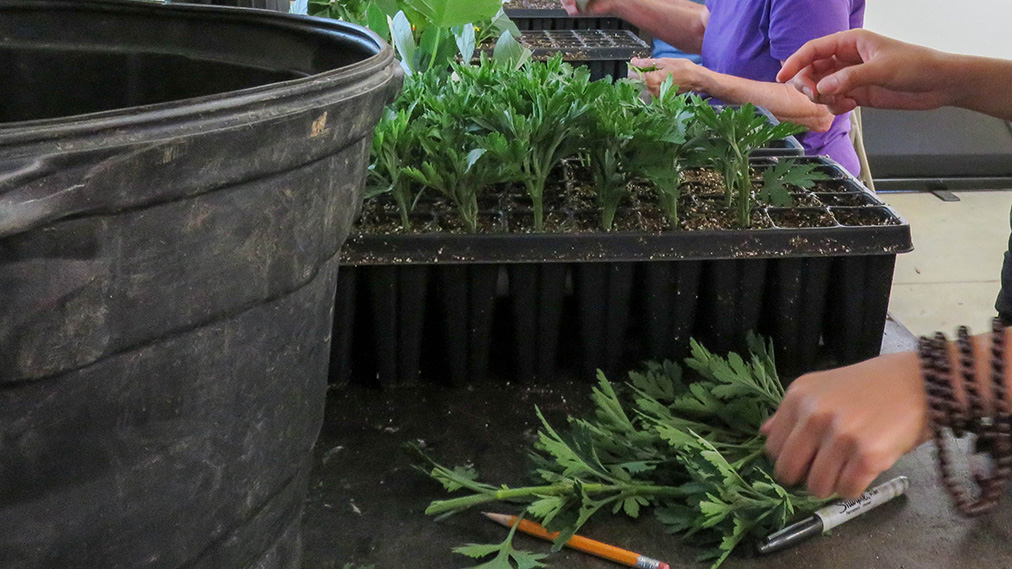
    Most gardeners are familiar with planting container-grown perennials, but using plugs requires a shift in mindset and technique. These young starter plants, grown in trays instead of pots, offer distinct advantages: they are cost-effective, easier to plant and establish quickly. They are ideal for large areas, slopes and under trees. However, not every gardener is familiar with plugs. Planting them successfully takes a bit of practical know-how that even experienced gardeners will appreciate refining. Join Shannon Currey, education and outreach at Izel Native Plant, to learn the pros and cons of plugs, when they’re most appropriate and best practices for handling, planting and managing them. With these essentials, you’ll be planting like a pro!

    Free
  • Native Plant Solutions: Fall Forward Perennials

    Virtual (Zoom)

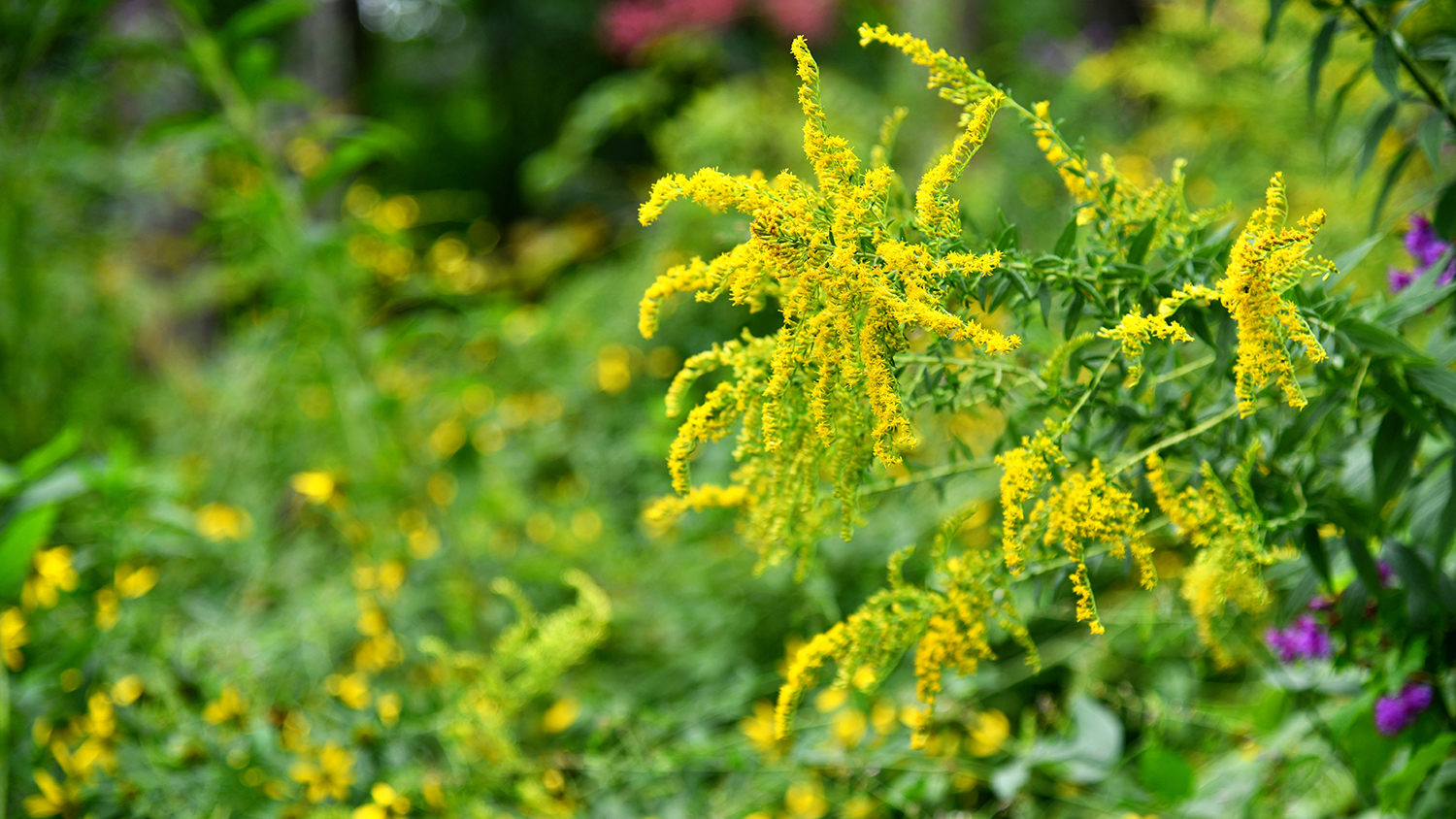
    Does your landscape look tired near the end of summer? Give yourself and the wildlife around you a boost with fall-forward perennials. At their peak during late summer and fall, these species have unique charms and an important ecological role. They give pollinators the resources they need before transitioning to the next stage of development. The superstars of autumn, asters and goldenrods, are keystone species that lend outsized support to food webs. They and other fall-forward plants extend the season visually and offer a rich tapestry of color and radiance optimized for the changing angle of the sun. Join Shannon Currey, education and outreach at Izel Native Plants, to learn more about lighting up your landscape with fall in mind!

    Free
  • Most Delicious Poison: A Virtual Author Talk with Noah Whiteman

    Virtual (Zoom)

    Based on cutting-edge science in the fields of evolution, chemistry and neuroscience, Most Delicious Poison by Noah Whiteman reveals the origins of toxins produced by plants, mushrooms, microbes and even some animals; the mechanisms that animals evolved to overcome them; and how a co-evolutionary arms race made its way into the human experience. This perpetual chemical war not only drove the diversification of life on Earth but is also intimately tied to our own successes and failures. You will never look at a houseplant, mushroom, fruit, vegetable or even the last 500 years of human history the same way again. Offered in partnership with the Garden Forum Collaborative.

    $10
  • Native Shrubs for Resilient Landscapes (virtual)

    Virtual (Zoom)

    Shrubs are an important layer in natural plant communities, serving multiple functions and supporting other plants and wildlife. In cultivated landscapes, they’re often relegated to foundation plantings or shrub islands surrounded by turf. There is so much more they can do! Join Shannon Currey of Izel Native Plants to explore the benefits of a shrub layer in creating more resilient, biodiverse landscapes that serve humans and wildlife. Learn about a range of North American woody species that create habitat, lend structure and beauty and even offer tasty treats!  This description is for the virtual attendance option—register separately to attend in person.

    Free